Programmed Interface Compression
Turn experience into infrastructure.
Programmed Interface Compression finds the hidden structure inside repeated work, removes unnecessary repetition, and builds what works into shared state -- so less instruction produces more capability.
01
Four layers. One idea.
The idea / Programmed Interface Compression
Repeated work contains triggers, decisions, exceptions, and handoffs that nobody documented as one system. Programmed Interface Compression (PIC) makes those cause-and-effect relationships visible, removes unnecessary steps and repetition, and builds what works into an engineered, evolving codebook. Distillery structures the state. MMS authorizes action. Evidence Layer proves what happened. KMS brings the right state back when it is needed.
Watch Make Messages Smaller
DistilleryIn production
Structuring layer
Turn a pile of records into something usable.
Filters and structures sprawling, messy source material into clean, consistent records -- so the work of sorting and re-reading stops being yours.
MMSLive
Authorization layer
Stop unsafe execution before it happens.
Independent human, hardware, and system-state checks must agree before a consequential action can run -- so "is this allowed?" stops being a manual judgment call.
Evidence LayerLive
Proof layer
Prove what happened, after it matters.
Tamper-evident records, hashes, and timestamps assemble themselves as work happens -- so building the audit trail stops being a scramble done later by hand.
KMSIn production
Retrieval layer
Ask for what you know, get it back.
An interactive layer over everything the other three capture -- so finding the right record, history, or status stops meaning digging through scattered notes.
02
The machinery ships finished things.
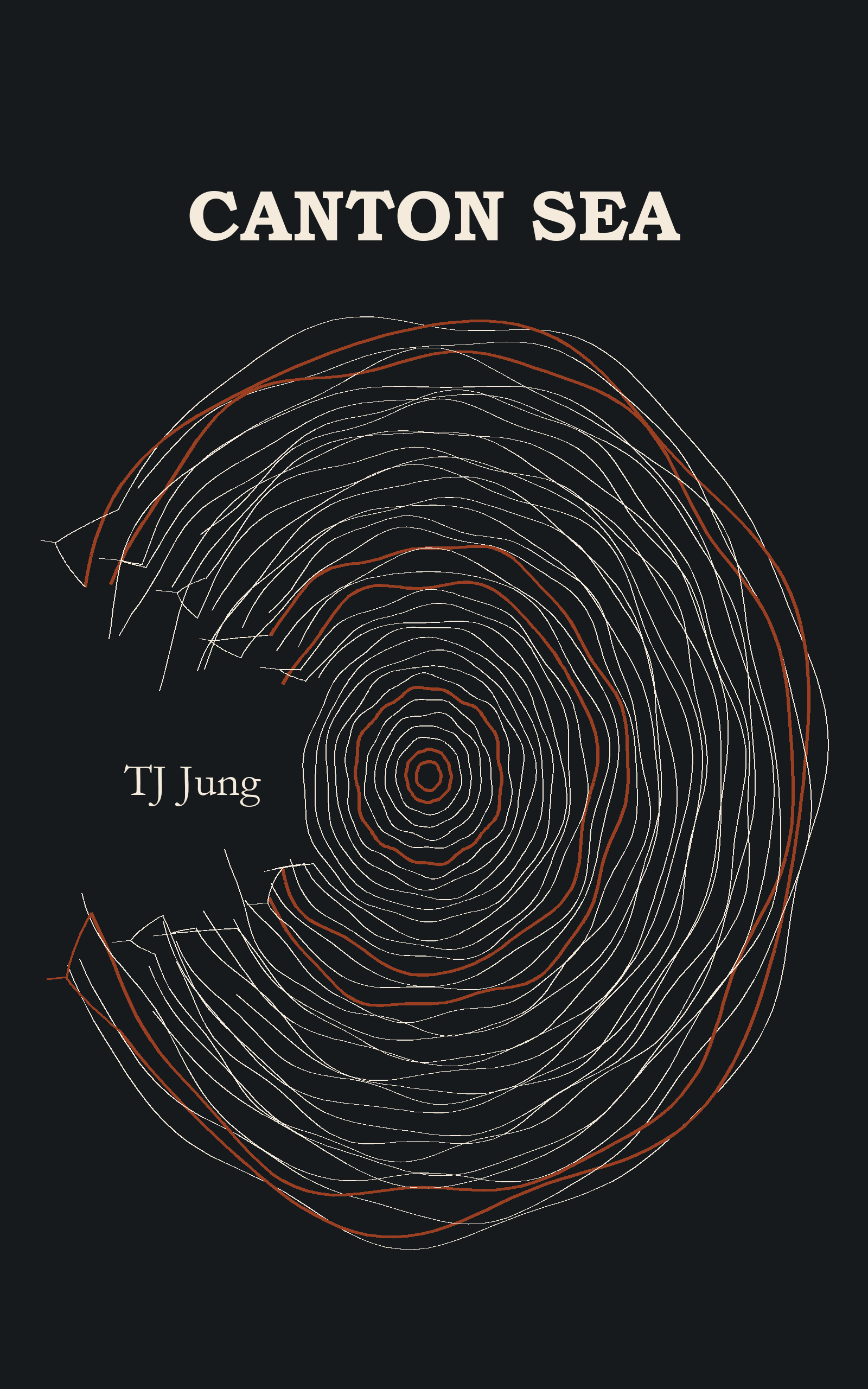
HMIC Studio / Book / September 2026
Canton Sea
TJ Jung's first nonfiction book develops a practical theory of human-AI signal-chain identity across thirty-eight short chapters. Available in paperback and Kindle editions.
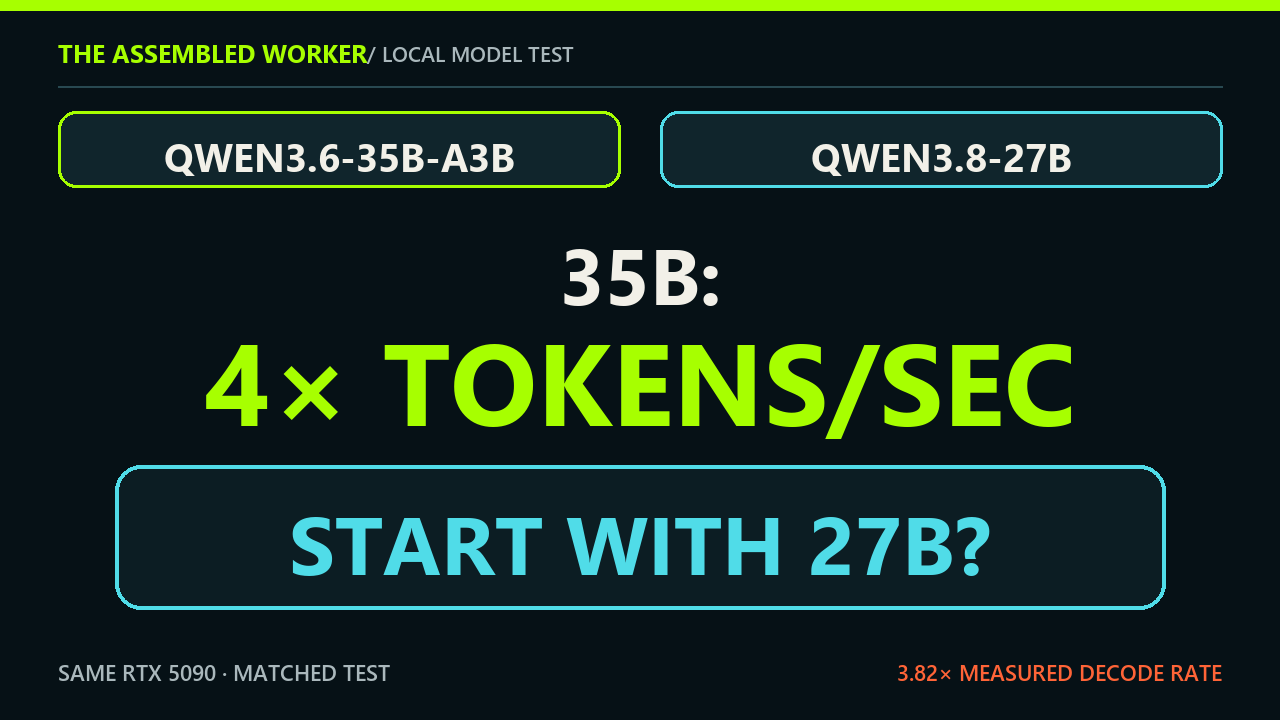
The Assembled Worker / Benchmark / September 2026
Qwen3.8-27B versus Qwen3.6-35B-A3B
The sparse 35B deployment ran 3.82 times faster. The dense 27B model remained the safer cold start. Inspect the holdout, limitation, and next matched Q4/Q6 test.

HMIC Studio / Live
Lizzie's Magic Door
Storymaker turns a child's choices into a complete story. Learning Arcade builds reading, typing, spelling, math, and science through short adaptive missions. Progress stays in that browser.
HMIC Lab / Open source
ALCOA RubberStamp v1.0.0
Create a deterministic commitment to a directory of files, verify it later, and optionally bind it to an external timestamp. MIT-licensed reference software.

TJ @ HMIC / Public video / May 21, 2026
HMIC SubC 5 Guitar Framework
Five guitarists map five load-bearing axes of the operator system: curriculum, signal, proof, architecture, and operator output. The first serious public SubC artifact.

Magic Door / Public movie / August 2026
Episode 01: Dragon Snare
A four-year-old and her little sister wrote and directed this 16-minute fantasy movie. They supplied the story, characters, dialogue, and creative decisions; HMIC built the AI-assisted production workflow that turned their directions into scenes.
03
The operator and the studio.
HMIC is an independent research and publishing studio.
HMIC builds inspectable human-AI systems, tests local models in complete working configurations, and publishes the resulting software, benchmarks, videos, and books.
The public artifacts are part of the method: finished work makes the underlying system inspectable.
TJ Jung
TJ Jung is HMIC's founder, a systems architect, and a Senior AI Implementation Engineer specializing in pipeline automation and model routing.
His practice draws from audio engineering, pharmaceutical manufacturing, PC overclocking, CRM system design, and production AI systems.